Taking a Trip to Visit Older Relatives: Tips for Parents to Reduce Risk of Injury
Taking a Trip to Visit Older Relatives: Tips for Parents to Reduce Risk of Injury

Taking a trip to visit older relatives is a cherished tradition in many families. These visits are an important way to maintain family bonds, share stories, and make lasting memories. However, a family trip that includes children and older relatives also comes with its unique set of challenges. Not only are you juggling different schedules and interests, but you’re also managing varying levels of physical capabilities. This is particularly important when it comes to reducing the risk of accidental injuries, which can be serious for both young and old. Injuries can range from minor cuts to more severe problems like fractures and brain injuries. In this article, we’ll discuss some tips for parents to consider to help keep everyone safe.
Pre-Visit Planning
Before you pack up the car and head out, make a plan. Discuss with older relatives what activities might be appropriate for everyone. Consider the mobility and health issues that your older relatives might be facing.
If your children are very young or very active, you’ll need to bear in mind how this could impact the older generation. Share with your kids in advance about the importance of being gentle and respectful with their elders. It’s also wise to plan for downtimes or quieter activities where both the young and old can rest. At the same time, keep a list of emergency contact numbers and nearby medical facilities just in case.
Home Safety Checks
Once you arrive, one of the first things to do is a safety check. Older homes may not be child-proof or elderly-safe. Scan the living areas for potential hazards such as loose rugs, clutter, or unsecured furniture. Pay attention to stairs and railings, ensuring they are sturdy and have good grips.
Bathrooms are another hot spot for potential injuries; non-slip mats and well-placed handrails can go a long way in preventing falls. Small changes like these can make a significant difference in reducing the risk of injuries like fractures, which can be a gateway to more serious complications like brain injury.
Activity Level Matching
When planning activities, try to find common ground that will suit both the young and the old. Remember, not every activity has to be physically strenuous to be enjoyable. Board games, storytelling sessions, and movie nights are great ways to bond without putting anyone at risk.
However, if you do decide to venture out for something more physical, consider everyone’s stamina and mobility. Activities like a gentle walk in the park can be both refreshing and safe. Always have a plan B, such as a nearby café or rest area, where anyone who tires can take a break.
Food and Hydration
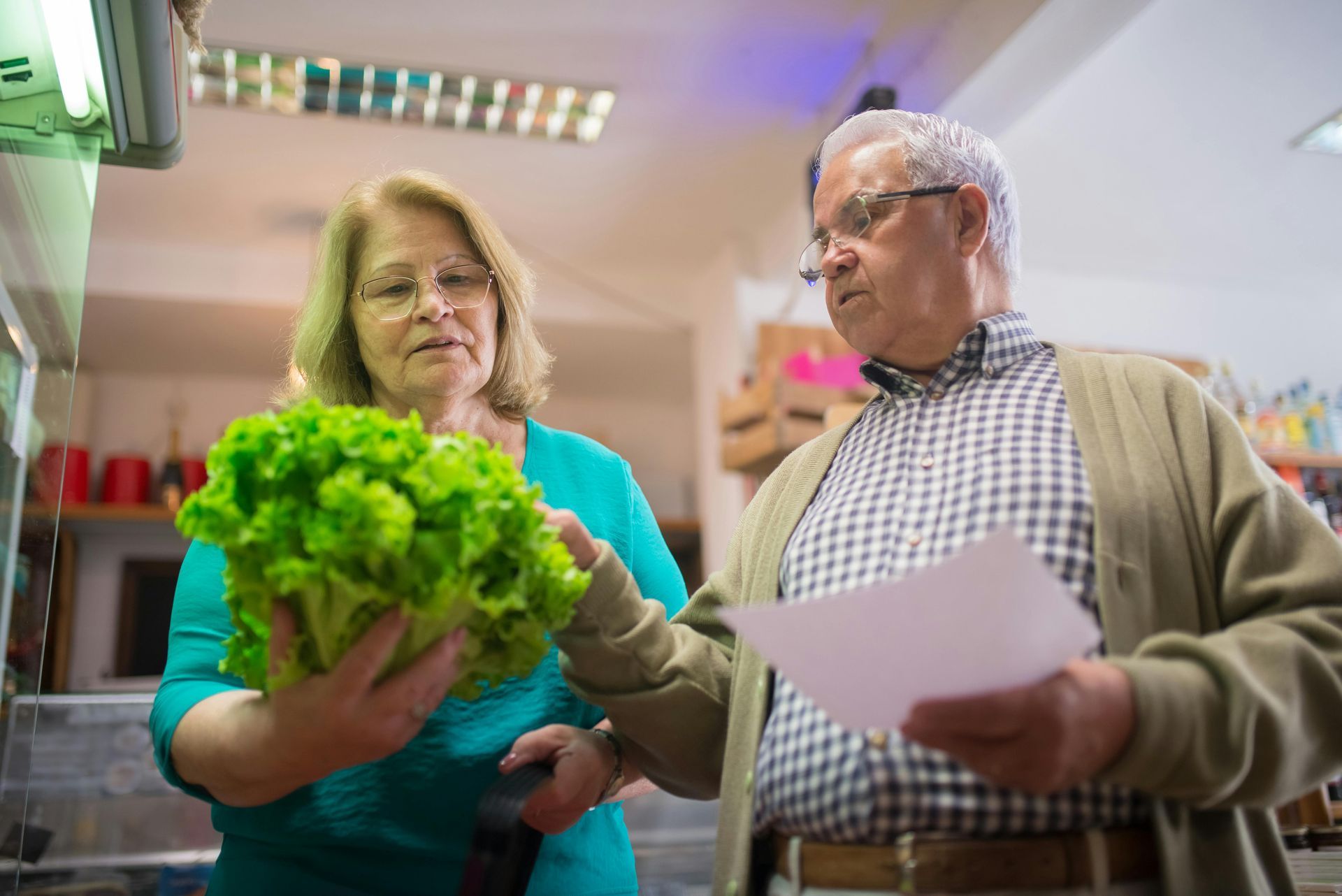
In all the excitement, it’s easy to forget basic needs like food and water. Dehydration and low blood sugar can lead to fainting spells, falls, and other injuries. Make sure to have plenty of water and snacks on hand, especially if you’re spending time outdoors or in a setting without easy access to amenities. Older adults may have special dietary needs or restrictions, so consult with them when planning meals. Likewise, kids often need to eat more frequently. Keeping everyone well-fed and hydrated is a simple yet effective way to mitigate the risk of injury.
Monitoring and Adjusting
No plan is perfect, and it’s important to be flexible. Keep an eye on everyone’s mood and energy levels. Young kids can quickly become overstimulated, leading to erratic behavior that could cause accidents. Similarly, older relatives may tire easily or become overwhelmed by too much activity. When you sense that energy levels are waning or tempers are fraying, it may be a good time to switch to a quieter, less demanding activity. Taking frequent breaks can help everyone recharge and reduce the risk of injury caused by fatigue or distraction.
Medical Preparedness
Despite all your planning and caution, accidents can still happen. Be prepared with a well-stocked first aid kit that includes bandages, antiseptics, and any necessary prescription medications for family members. Know the signs of more serious problems, like concussions or other types of brain injuries, which require immediate medical attention. If an accident does occur, stay calm and act quickly. Contact medical professionals for advice on the next steps and whether a hospital visit is necessary.
Visiting older relatives should be a joyful and enriching experience for everyone involved. With some forethought, you can mitigate many of the risks associated with combining high-energy kids and older adults in unfamiliar settings. While it’s impossible to prevent every potential accident, these tips can help you reduce the likelihood of minor injuries escalating into more serious problems, including brain injuries. Remember, the goal is to create happy memories without compromising anyone’s well-being. So plan ahead, be vigilant, and most importantly, enjoy your time with family.