Personalized Senior Nutrition: Why One-Size Meals No Longer Work
For years, senior dining followed a predictable pattern: fixed menus, standard portions, and little room for personalisation. While this approach once seemed practical, it no longer meets the needs of today’s ageing population. Seniors are living longer, staying mentally active, and managing more complex health needs than ever before.
Modern research continues to show that nutrition plays a critical role not only in physical health, but also in brain health, ageing, emotional well-being, and cognitive engagement. One-size-fits-all meals often fail to provide the nutrients needed to support memory, focus, and participation in cognitive activities for seniors.
That’s why personalised senior nutrition is becoming a cornerstone of high-quality assisted living communities like Cheltenham Oaks.
Tailored meals don’t just nourish the body, they support the mind, independence, and overall quality of life.
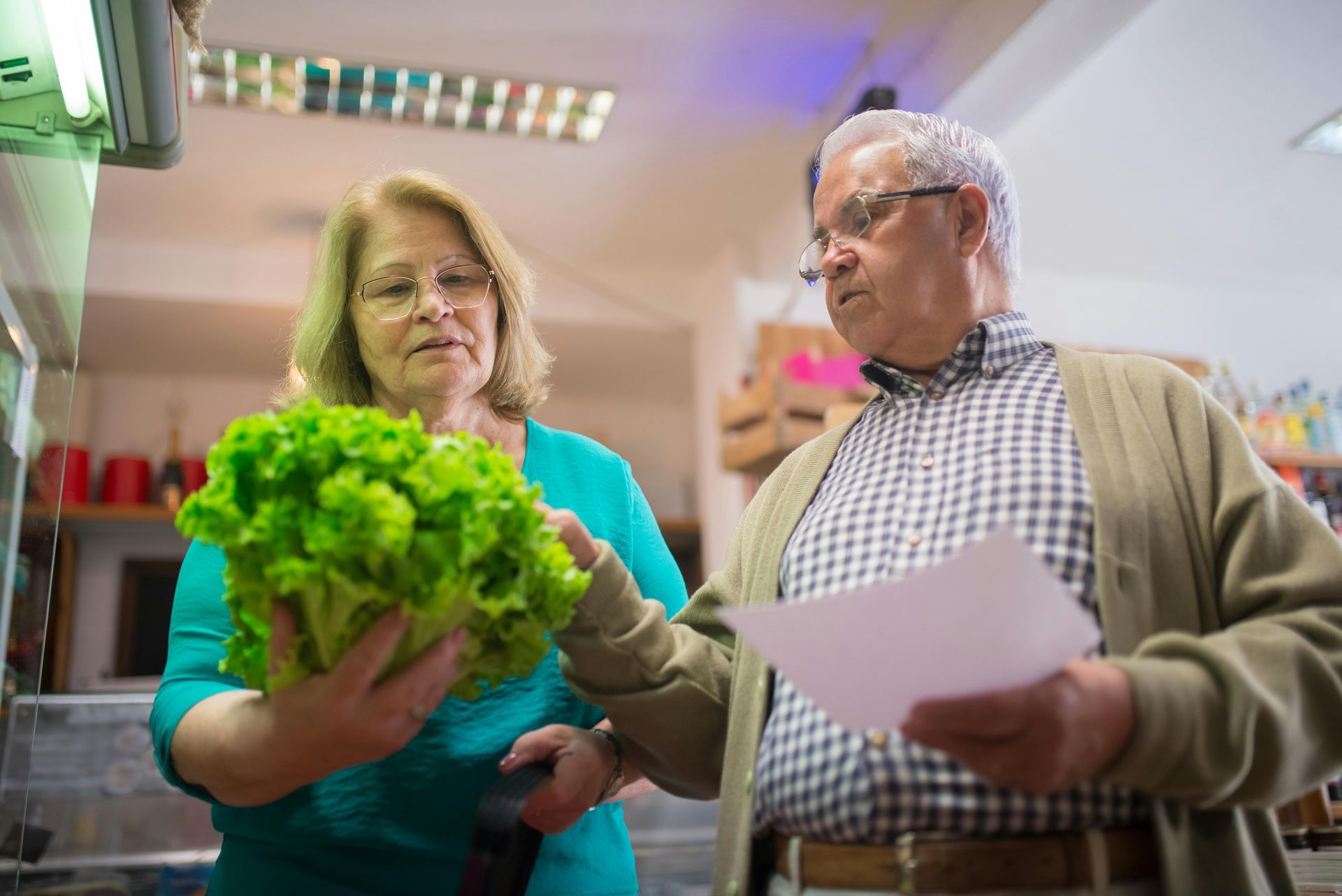
Why Nutrition Matters More as We Age
Ageing Brings Unique Nutritional and Cognitive Changes
As we grow older, the body and brain change in ways that directly impact nutritional needs.
Seniors may experience:
- Changes in taste and appetite
- Slower metabolism
- Reduced nutrient absorption
- Increased inflammation
- Greater vulnerability to cognitive decline
These factors make nutrition especially important for maintaining energy, clarity, and emotional balance. Proper nutrition fuels daily activities, including social engagement and structured cognitive activities for seniors that keep the mind active.
The Link Between Nutrition and Brain Health Ageing
Food as Fuel for the Mind
The brain requires specific nutrients to function optimally. As part of healthy brain ageing, seniors benefit from diets that support circulation, reduce inflammation, and protect brain cells.
Key nutrients for cognitive health include:
- Omega-3 fatty acids
- B vitamins (especially B6, B12, and folate)
- Antioxidants
- Protein for neurotransmitter production
Personalised nutrition ensures these nutrients are included in ways that suit individual tastes, medical needs, and digestion.
Why One-Size Meals No Longer Work
Standardised Dining Misses Individual Needs
Traditional meal plans often prioritise efficiency over effectiveness.
While convenient, standardised meals can lead to:
- Poor appetite and reduced intake
- Nutritional gaps
- Increased fatigue or brain fog
- Less engagement in activities
When meals fail to support energy and cognition, seniors may struggle to fully participate in daily routines, including memory games, discussions, and other cognitive activities for seniors.
What Is Personalized Senior Nutrition?
Nutrition Designed for the Individual
Personalised senior nutrition takes a resident-centred approach.
Instead of serving identical meals to everyone, this model considers:
- Medical conditions (such as heart health or diabetes)
- Cognitive health needs
- Dietary restrictions or preferences
- Cultural and lifelong food habits
- Texture and swallowing needs
This approach creates meals that not only nourish but also encourage consistent eating, critical for memory support and mental clarity.
How Personalised Nutrition Supports Memory and Cognitive Function
Nourishing the Brain Daily
Consistent, well-balanced meals help stabilise blood sugar, reduce inflammation, and provide steady energy, all essential for cognitive performance.
Personalised nutrition can support:
- Better focus during cognitive activities
- Improved mood and emotional regulation
- Reduced confusion or fatigue
- Long-term memory support
When the brain is properly fueled, seniors are more likely to remain engaged, curious, and socially active.
The Role of Cognitive Activities for Seniors
Nutrition and Mental Engagement Work Together
Cognitive activities such as puzzles, reading groups, games, music, and conversations are most effective when paired with proper nutrition.
A well-nourished brain is better equipped to:
- Process information
- Form and retain memories
- Maintain attention
- Enjoy learning and interaction
Personalised nutrition enhances the benefits of these activities by ensuring the brain has the nutrients it needs to perform.
How Assisted Living Communities Can Support Brain Health Ageing
A Holistic Approach to Wellness
At communities like Cheltenham Oaks, wellness extends beyond meals or activities alone.
Personalised nutrition is integrated into a broader approach that includes:
- Structured cognitive activities
- Social engagement
- Physical movement
- Emotional support
This comprehensive model recognizes that brain health ageing is influenced by daily habits, environment, and nourishment.
The Emotional Impact of Personalized Dining
Dignity, Choice, and Comfort
Food is deeply personal. It’s tied to memories, culture, and identity.
Personalized dining respects these connections and provides:
- A sense of control and independence
- Comfort through familiar foods
- Emotional satisfaction and joy
These emotional benefits contribute directly to mental well-being and willingness to engage in social and cognitive activities.
Why Flexibility in Nutrition Matters
Adapting as Needs Change
Senior health needs evolve over time.
Personalized nutrition allows for ongoing adjustments, such as:
- Modifying portion sizes
- Adjusting textures for safety
- Introducing brain-supportive foods
- Responding to medical changes
This flexibility ensures that nutrition continues to support both physical health and memory support as residents age.
Practical Tips for Families Choosing a Senior Living Community
Questions to Ask About Nutrition and Cognitive Support
When evaluating assisted living options, families should consider:
1. Is Nutrition Personalised?
Ask how dietary needs and preferences are assessed and updated.
2. Are Cognitive Activities Supported by Nutrition?
Look for programs that connect meals with mental engagement.
3. Is There Menu Variety and Choice?
Choice supports dignity and appetite.
4. Are Staff Trained to Recognize Changes?
Early adjustments can make a big difference in brain health ageing.
Foods Commonly Included in Brain-Supportive Senior Diets
While personalization is key, many senior nutrition plans emphasize foods known to support cognition, such as:
- Leafy greens
- Berries
- Fatty fish
- Whole grains
- Nuts and seeds
These foods are often incorporated into meals in ways that are enjoyable, familiar, and easy to eat.
Collaboration Behind Personalized Nutrition
A Team-Based Approach
Successful personalized nutrition programs rely on collaboration between:
- Culinary teams
- Care staff
- Wellness coordinators
- Residents and families
This teamwork ensures meals align with health goals, preferences, and daily cognitive routines.
Cheltenham Oaks’ Commitment to Whole-Person Care
At Cheltenham Oaks, personalized nutrition is part of a broader commitment to supporting residents’ physical, emotional, and cognitive well-being. By aligning dining with cognitive activities for seniors, the community fosters engagement, clarity, and confidence at every stage of aging.
This approach reflects a deep understanding that nutrition is not just about sustenance; it’s about supporting life, memory, and connection.
Why One-Size Meals Belong in the Past
The idea that all seniors can thrive on the same meals no longer holds true. Ageing is individual, and care should be too.
Personalized nutrition recognises that:
- Brain health ageing requires intention
- Memory support starts with daily nourishment
- Engagement depends on energy and clarity
This shift is redefining what quality senior living looks like.
Nourishing the Mind Through Personalized Nutrition
Personalised senior nutrition is no longer a luxury; it’s a necessity for healthy ageing. By moving beyond one-size meals, communities can better support brain health ageing, enhance memory support, and empower residents to fully participate in cognitive activities for seniors.
At Cheltenham Oaks, nutrition is thoughtfully designed to nourish not just the body, but the mind and spirit as well. When meals are personal, purposeful, and supportive, seniors don’t just eat better; they live better.