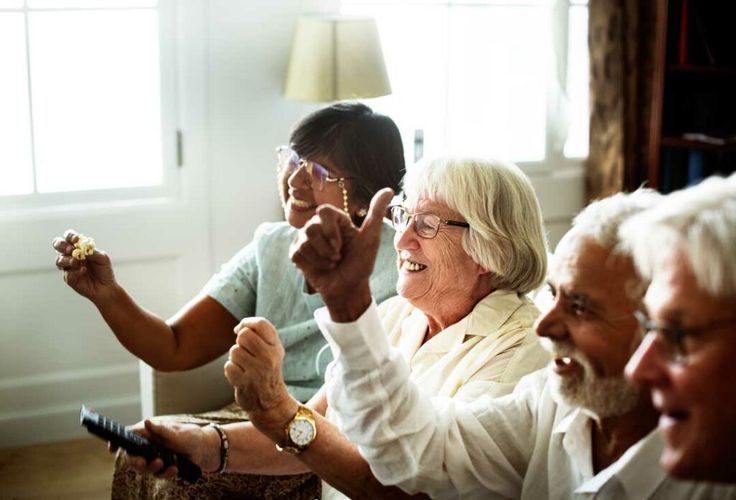
Community Matters: Why Social Connection Improves Senior Quality of Life
As we age, our needs change but one thing remains constant: the need for meaningful human connection. For older adults, staying socially connected plays a vital role in emotional health, physical well-being, and overall happiness. Yet many seniors experience increased isolation due to retirement, mobility changes, or the loss of loved ones.
That’s why community matters more than ever in later life. Whether through shared activities, conversations with peers, or a supportive environment, social connection helps seniors feel valued, engaged, and fulfilled. In an assisted living community like Cheltenham Oaks, opportunities for connection are woven into daily life.
In this article,
we’ll explore why senior socialization is essential, how assisted living communities foster connection, and how thoughtfully designed senior engagement programs significantly improve quality of life.
Why Social Connection Is Essential for Seniors
Social interaction isn’t just enjoyable, it’s essential for healthy aging.
The Impact of Socialization on Emotional Health
Regular interaction helps seniors:
- Reduce feelings of loneliness and depression
- Maintain a sense of purpose and belonging
- Build emotional resilience
- Stay mentally stimulated
Strong social ties support emotional balance and contribute to long-term well-being.
Social Connection and Physical Health
Research consistently shows that socially active seniors often experience:
- Lower risk of chronic illness
- Improved immune function
- Better mobility and physical activity levels
- Reduced risk of cognitive decline
Simply put, staying connected helps seniors stay healthier.
The Challenge of Isolation in Aging Adults
Despite the benefits, many seniors face barriers to staying socially active.
Common Causes of Senior Isolation
- Retirement and loss of daily routines
- Reduced mobility or health limitations
- Loss of a spouse or close friends
- Living alone or far from family
Without intentional opportunities for interaction, isolation can gradually impact quality of life.
How an Assisted Living Community Encourages Connection
An assisted living community offers more than care, it provides a vibrant social environment.
Built-In Opportunities for Senior Socialization
Unlike living alone, assisted living naturally encourages connection through:
- Shared dining spaces
- Group activities and events
- Common lounges and outdoor areas
- Planned social gatherings
These spaces make it easy for residents to interact organically and form friendships.
A Sense of Belonging and Routine
Community living creates daily rhythms that promote engagement. Knowing there’s always something happening encourages participation and reduces feelings of loneliness.
The Role of Senior Engagement Programs
Senior engagement programs are the heart of community life.
What Are Senior Engagement Programs?
These programs are structured activities designed to support:
- Social interaction
- Cognitive stimulation
- Physical movement
- Emotional wellness
They’re tailored to meet diverse interests and abilities.
Examples of Engaging Activities
- Group fitness or wellness classes
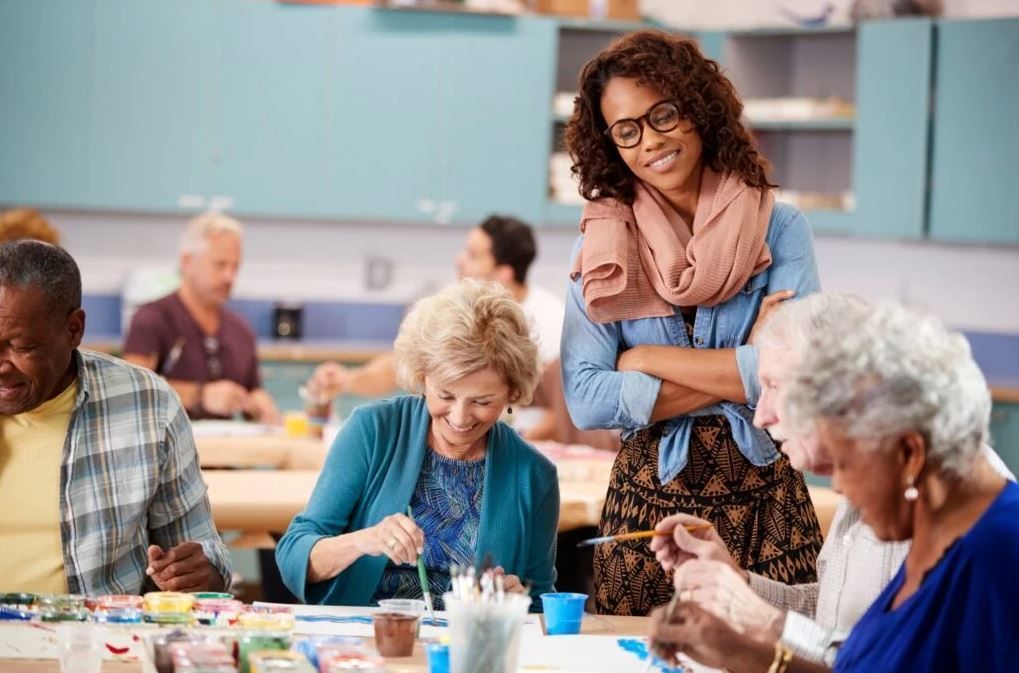
- Art, music, or craft sessions
- Book clubs and discussion groups
- Educational talks or guest speakers
- Game nights and social events
These activities encourage participation while respecting individual preferences.
How Social Engagement Enhances Mental Well-Being
Mental health is deeply connected to social interaction.
Cognitive Stimulation Through Interaction
Conversations, games, and shared experiences:
- Keep the mind active
- Improve memory and focus
- Encourage learning and curiosity
This stimulation supports cognitive health and mental sharpness.
Emotional Support Through Peer Connection
Being surrounded by peers who share similar life experiences fosters understanding and emotional comfort. Seniors feel heard, supported, and less alone.
Strengthening Independence Through Community
Contrary to common misconceptions, community living often enhances independence.
Encouragement Without Pressure
In a supportive environment, seniors are encouraged not forced to participate.
This gentle encouragement helps residents:
- Try new activities
- Stay active longer
- Maintain confidence
Assisted living communities strike a balance between support and autonomy.
Social Connection Supports Physical Activity
Many senior engagement programs naturally incorporate movement.
Movement in a Social Setting
Group activities like walking clubs or chair yoga make exercise:
- More enjoyable
- Less intimidating
- Easier to maintain
Staying physically active helps seniors maintain strength, balance, and mobility.
Practical Tips for Supporting Senior Socialization
Whether your loved one lives independently or in an assisted living community, you can help encourage social connection.
Encourage Participation, Not Perfection
Remind seniors that participation doesn’t require commitment trying one activity is a great first step.
Match Activities to Interests
Choosing programs aligned with personal interests increases enjoyment and consistency.
Visit and Participate When Possible
Family involvement reinforces the value of connection and community.
Be Patient With Transitions
Building friendships takes time. Encourage patience and openness during the adjustment period.
Why Families Choose Assisted Living Communities
Many families discover that an assisted living community offers social benefits that are hard to replicate at home.
Peace of Mind for Families
Knowing your loved one has daily opportunities for interaction reduces worry about loneliness or isolation.
A Holistic Approach to Wellness
Assisted living communities focus on:
- Physical health
- Emotional well-being
- Social fulfillment
This holistic approach supports a higher quality of life.
The Cheltenham Oaks Community Experience
At Cheltenham Oaks, community is more than a concept, it’s a way of life.
A Culture of Connection
Residents are encouraged to:
- Build meaningful relationships
- Explore new interests
- Stay engaged at their own pace
Thoughtfully designed spaces and programs support socialization naturally and comfortably.
Common Myths About Senior Socialization
Myth 1: Seniors Prefer to Be Alone
Reality: Most seniors value connection, even if they need encouragement to engage.
Myth 2: Social Activities Are Optional Extras
Reality: Social engagement is essential for overall health.
Myth 3: It’s Too Late to Make New Friends
Reality: Meaningful connections can form at any stage of life.
The Long-Term Benefits of Staying Connected
Seniors who remain socially active often experience:
- Greater life satisfaction
- Improved mental and emotional health
- Stronger sense of purpose
- Enhanced resilience
Social connection enriches every aspect of aging.
Community Truly Matters
A fulfilling senior lifestyle goes beyond meeting physical needs, it’s about connection, engagement, and belonging. Senior socialization plays a powerful role in improving emotional health, cognitive function, and overall happiness.
An assisted living community like Cheltenham Oaks, supported by thoughtful senior engagement programs, creates an environment where seniors can thrive socially, emotionally, and physically.
If you’re exploring options for yourself or a loved one, consider how community life can transform the aging experience. Because when seniors stay connected, quality of life doesn’t just improve, it flourishes.