How AI Health Monitoring Helps Seniors Stay Safer Every Day
Safety is one of the greatest concerns for seniors and for the families who love them. As people age, health needs can become more complex, and even small changes can have a big impact. The good news? Technology is evolving in powerful, compassionate ways to support older adults while preserving dignity and independence.
One of the most promising advancements is AI health monitoring for seniors. Far from being cold or intrusive, today’s senior care technology is designed to work quietly in the background helping care teams respond faster, prevent issues before they escalate, and provide families with peace of mind.
At Cheltenham Oaks, innovation is embraced thoughtfully. Technology is used not to replace human care, but to strengthen it. In this article, we’ll explore how AI-powered health monitoring enhances assisted living safety, what it looks like in daily life, and why this approach is shaping the future of senior care in 2026 and beyond.
What Is AI Health Monitoring for Seniors?
Artificial intelligence (AI) health monitoring uses smart systems to observe patterns, detect changes, and provide timely alerts related to a senior’s well-being.
How It Works
AI systems can:
- Track movement patterns
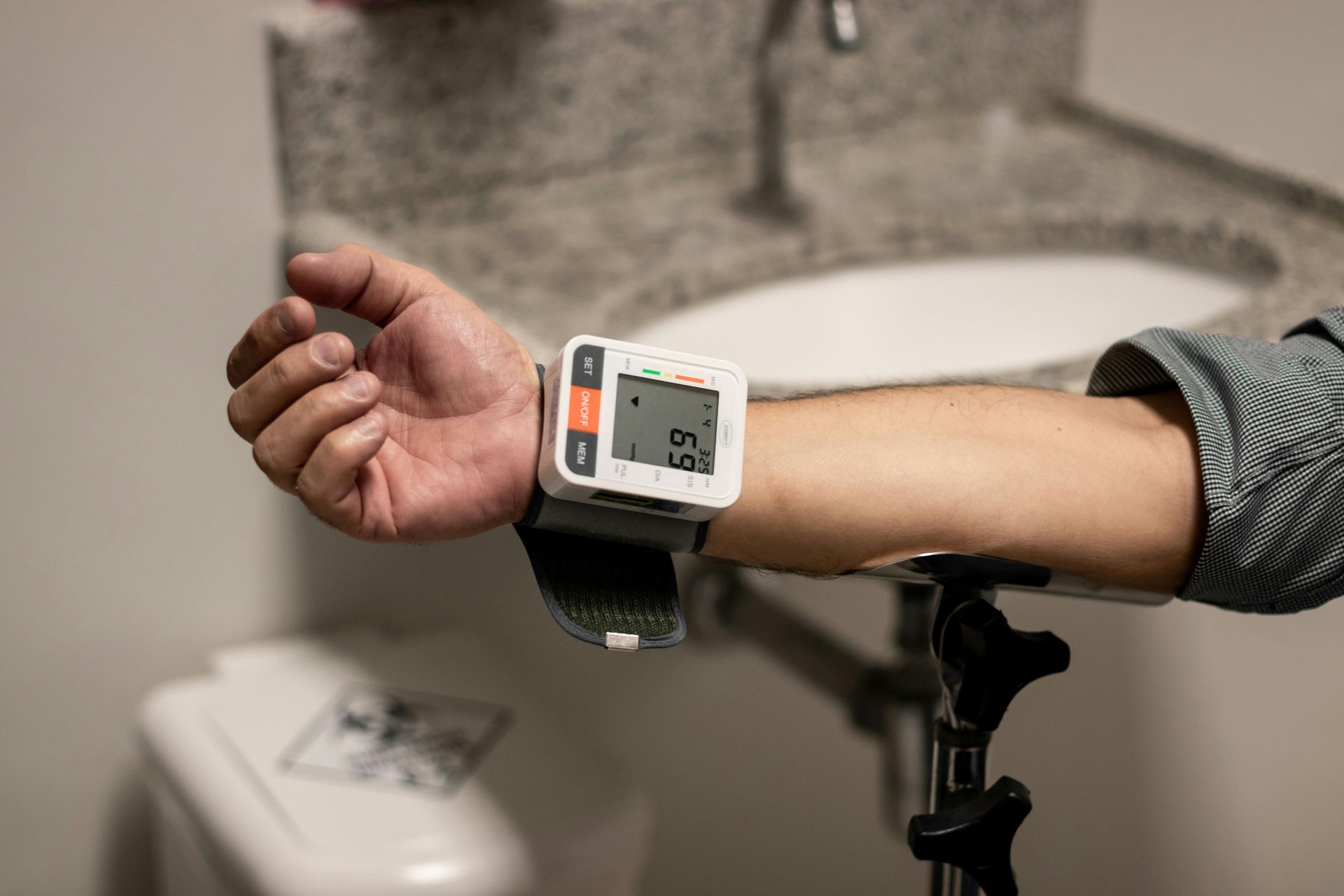
- Monitor vital signs or activity levels
- Detect falls or irregular behaviors
- Identify subtle changes that may signal health concerns
These systems learn what’s normal for each individual and flag changes that may need attention.
Designed to Support, Not Replace, Caregivers
AI does not replace nurses, caregivers, or personal interaction. Instead, it gives care teams better information allowing them to respond faster and more accurately.
Why Assisted Living Safety Matters More Than Ever
As seniors age, safety risks can increase but proactive monitoring can make a meaningful difference.
Common Safety Concerns for Seniors:
- Falls and mobility challenges
- Sudden health changes
- Medication-related issues
- Delayed response to emergencies
Early awareness is often the key to preventing serious outcomes.
A Shift From Reactive to Preventive Care
Traditional care models often respond after something happens. AI-supported systems help shift senior care toward prevention identifying concerns before they become emergencies.
How AI Health Monitoring Improves Daily Safety
Fall Detection and Prevention
Falls are one of the leading causes of injury among seniors.
AI-powered systems can:
- Detect falls instantly
- Alert staff immediately
- Identify changes in walking patterns that may signal fall risk
This allows care teams to intervene early and adjust support as needed.
Monitoring Subtle Health Changes
AI systems can notice patterns humans might miss, such as:
- Reduced movement
- Changes in sleep habits
- Irregular activity levels
These insights help staff address concerns before they escalate.
Supporting Independence While Enhancing Safety
One of the biggest fears seniors express is losing independence. AI health monitoring helps protect autonomy while adding a layer of safety.
Quiet, Non-Intrusive Technology
Many systems work without:
- Wearable devices
- Constant check-ins
- Disruptions to daily routines
This allows residents to live comfortably and confidently.
Confidence for Residents and Families
Knowing that smart systems are in place allows seniors to:
- Move more freely
- Feel safer being independent
- Enjoy daily life with fewer worries
Families gain reassurance without needing to monitor constantly.
Senior Care Technology 2026: What’s Changed?
Technology has come a long way, and it’s becoming more human-centred than ever.
Smarter, More Personalised Systems
Today’s AI tools adapt to individual needs instead of applying one-size-fits-all solutions. This personalisation improves accuracy and comfort.
Better Integration With Care Teams
Modern systems integrate seamlessly with assisted living operations, ensuring:
- Faster communication
- Better coordination
- Improved response times
Technology enhances teamwork rather than complicating it.
How AI Supports Caregivers and Staff
Caregiving is demanding, and AI tools help reduce unnecessary strain.
Reducing Alarm Fatigue
Smart systems prioritise alerts that matter, reducing false alarms and allowing staff to focus where they’re needed most.
More Time for Human Connection
With better data and early alerts, caregivers can:
- Spend more quality time with residents
- Focus on emotional and social support
- Deliver more personalized care
Technology handles the background work so people can focus on people.
Addressing Privacy and Comfort Concerns
It’s natural to have questions about privacy when technology is involved.
Respecting Dignity and Boundaries
AI health monitoring systems are designed to:
- Protect privacy
- Use secure data practices
- Avoid invasive surveillance
- The goal is safety not intrusion.
- Transparency Builds Trust
Clear communication with residents and families helps everyone feel confident and informed about how technology is used.
Practical Ways Families Can Engage With AI-Supported Care
Families play an important role in supporting technology-enabled care.
Ask Questions and Stay Informed
Understanding how AI health monitoring works builds trust and reassurance.
Partner With the Care Team
Open communication allows families and caregivers to:
- Share observations
- Align on care goals
- Respond quickly to changes
Technology works best when paired with strong relationships.
AI Health Monitoring and Emotional Well-Being
Safety isn’t just physical, it’s emotional, too.
Reduced Anxiety for Seniors
Knowing help is readily available can reduce fear and stress, especially for residents with mobility or health concerns.
Peace of Mind for Families
Families often feel more relaxed knowing that:
- Their loved one is being monitored continuously
- Staff are alerted promptly to changes
- Care is proactive rather than reactive
Peace of mind benefits everyone involved.
Why Cheltenham Oaks Embraces Smart Senior Care
At Cheltenham Oaks, innovation is guided by compassion.
Our approach to senior care technology focuses on:
- Enhancing assisted living safety
- Supporting independence and dignity
- Empowering caregivers with better tools
Keeping residents and families informed and comfortable
Technology is never used for its own sake; it’s used to improve the quality of life.
The Future of Assisted Living Safety
Looking ahead, AI health monitoring will continue to evolve.
What the Future Holds:
- Even earlier detection of health changes
- More personalised care insights
- Greater integration with wellness programs
As senior care technology advances, the focus remains the same: helping residents live safely, confidently, and fully.
Safer Days, Greater Confidence, Better Care
AI health monitoring for seniors represents a powerful shift in how assisted living communities support safety and well-being. By combining smart technology with compassionate care, communities like Cheltenham Oaks create environments where seniors feel protected, not restricted.
When assisted living safety is strengthened through thoughtful innovation, residents gain confidence, families gain peace of mind, and caregivers gain the tools they need to deliver exceptional care.
At Cheltenham Oaks, the future of senior care isn’t just smarter, it’s safer, more personal, and deeply human.